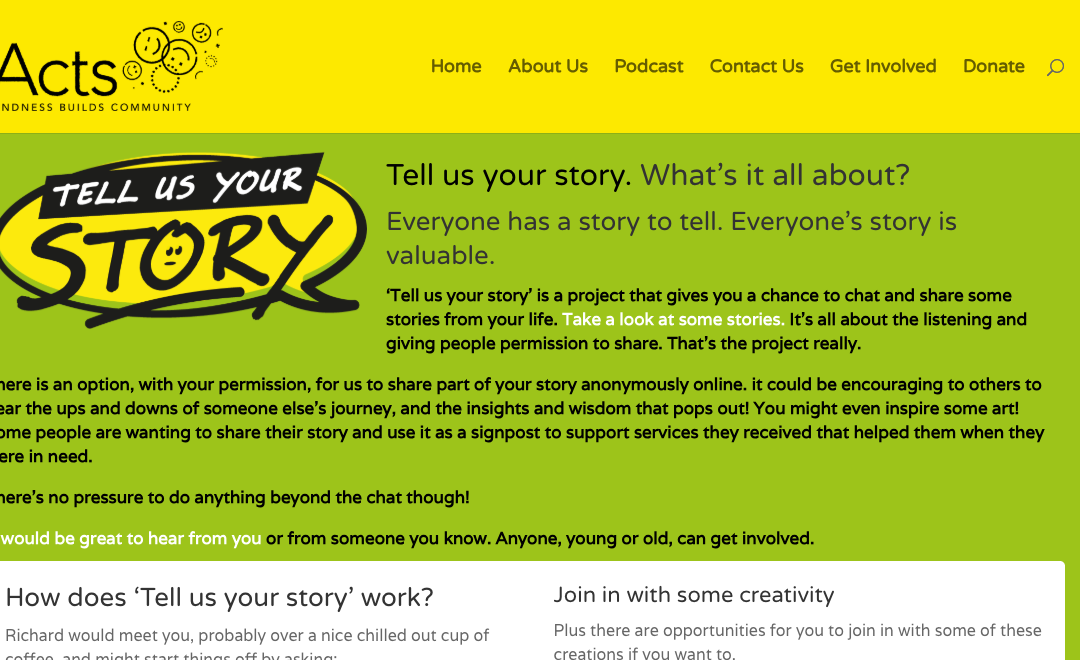
Listening as artistic practice.
The Place
A community storytelling project developed with ACTS, creating opportunities for people to share lived experience with care and respect.
Beginning with Attention
A core part of the project involved listening to participants’ stories. I approached these conversations not simply as a way of gathering information, but as moments of connection and trust.
My role was to listen attentively, reflect back what I heard, and ensure each person felt seen and respected in how their story was represented.
What I Noticed
Listening revealed not only individual stories but recurring themes of identity, resilience and belonging.
For many participants, the process of telling their story (and being listened to without judgement) became an opportunity to reflect, notice patterns, and gain new insights into their own lives and experiences.
I became interested in how careful listening can itself become a creative act.
Making
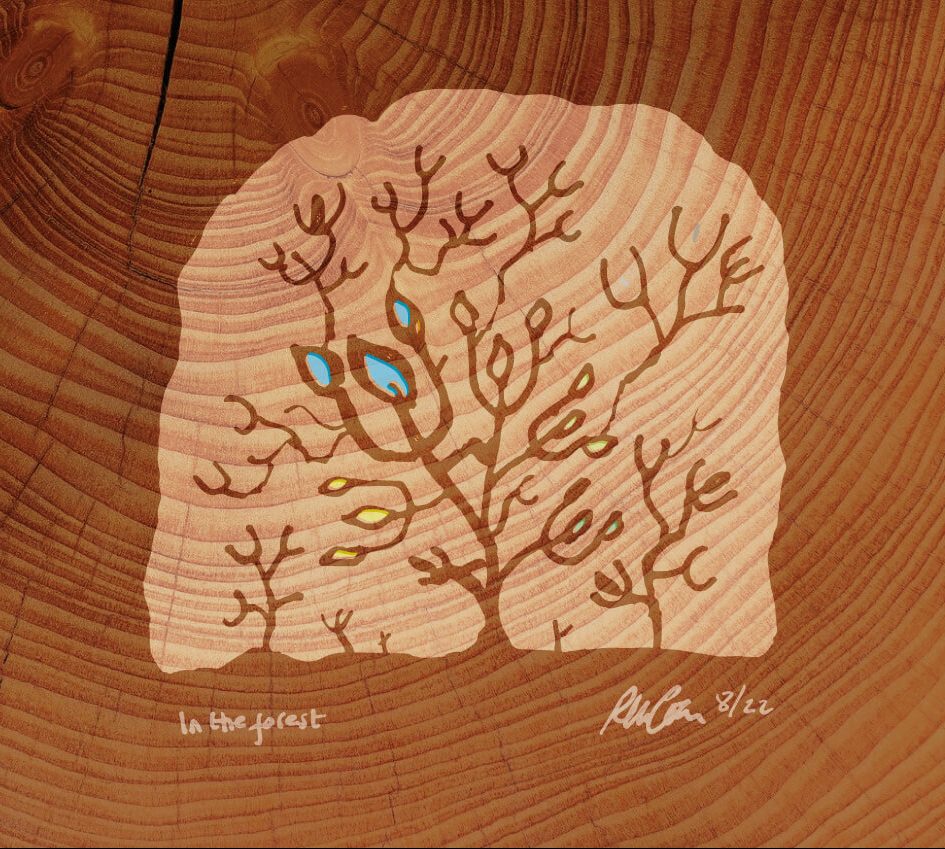
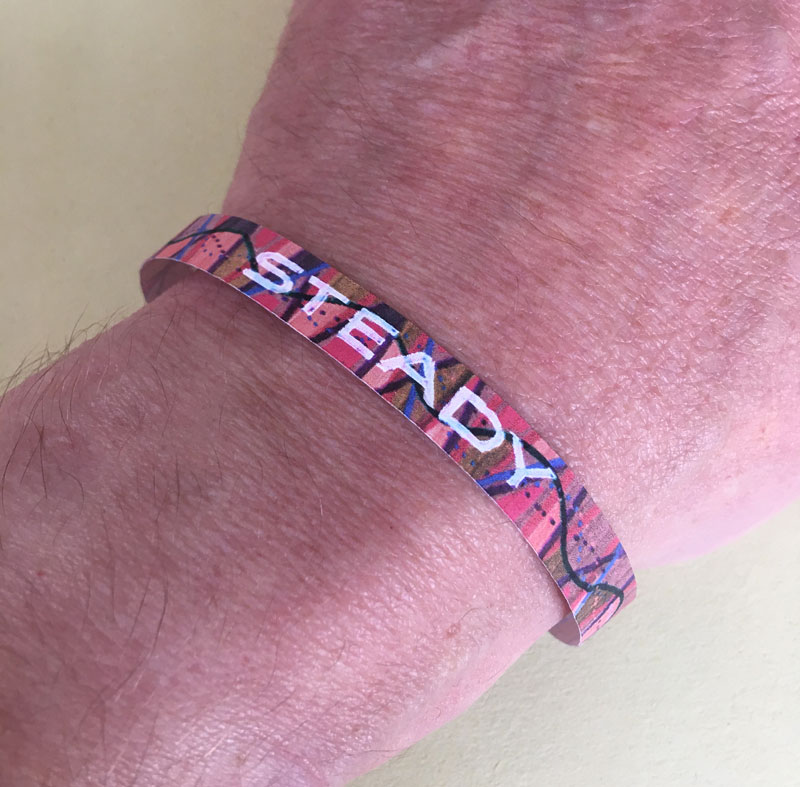
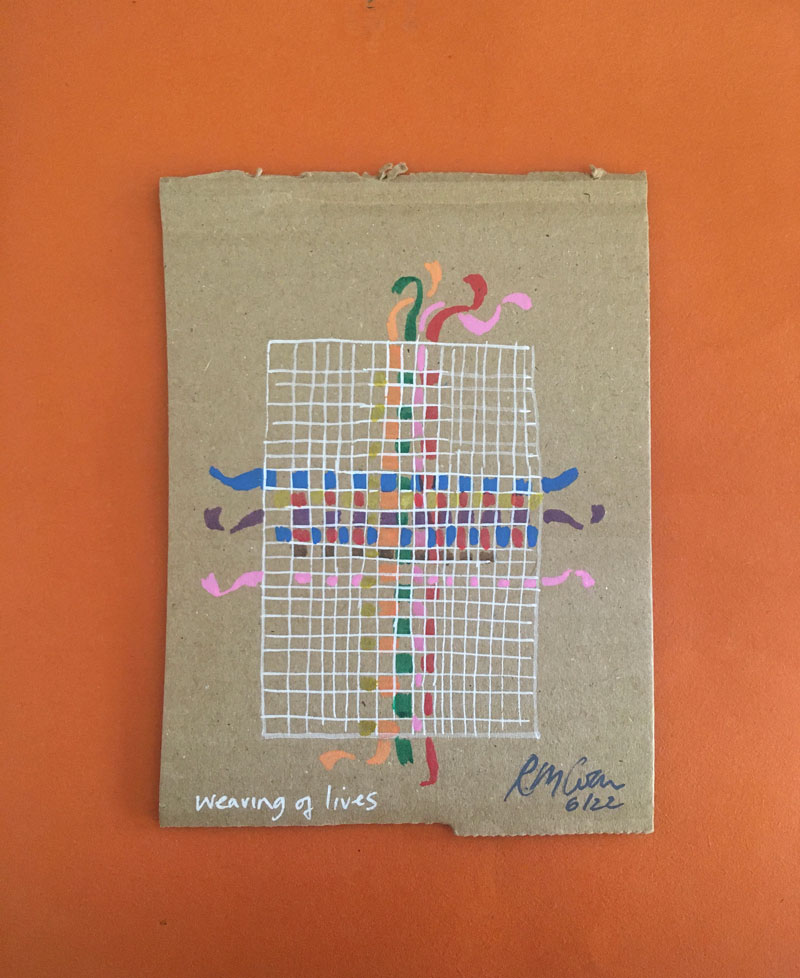
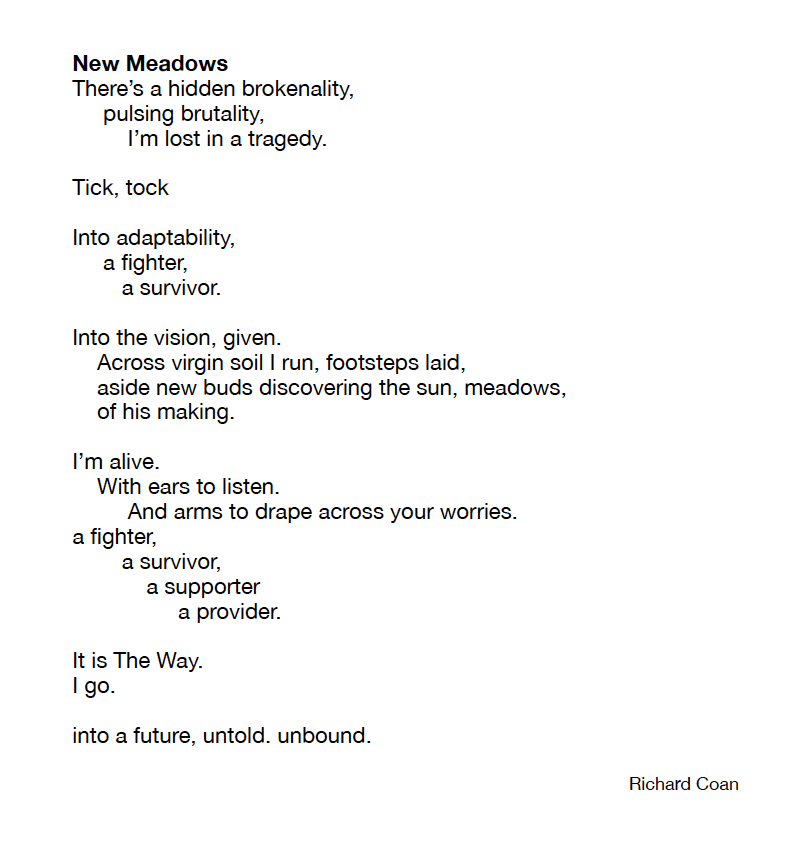
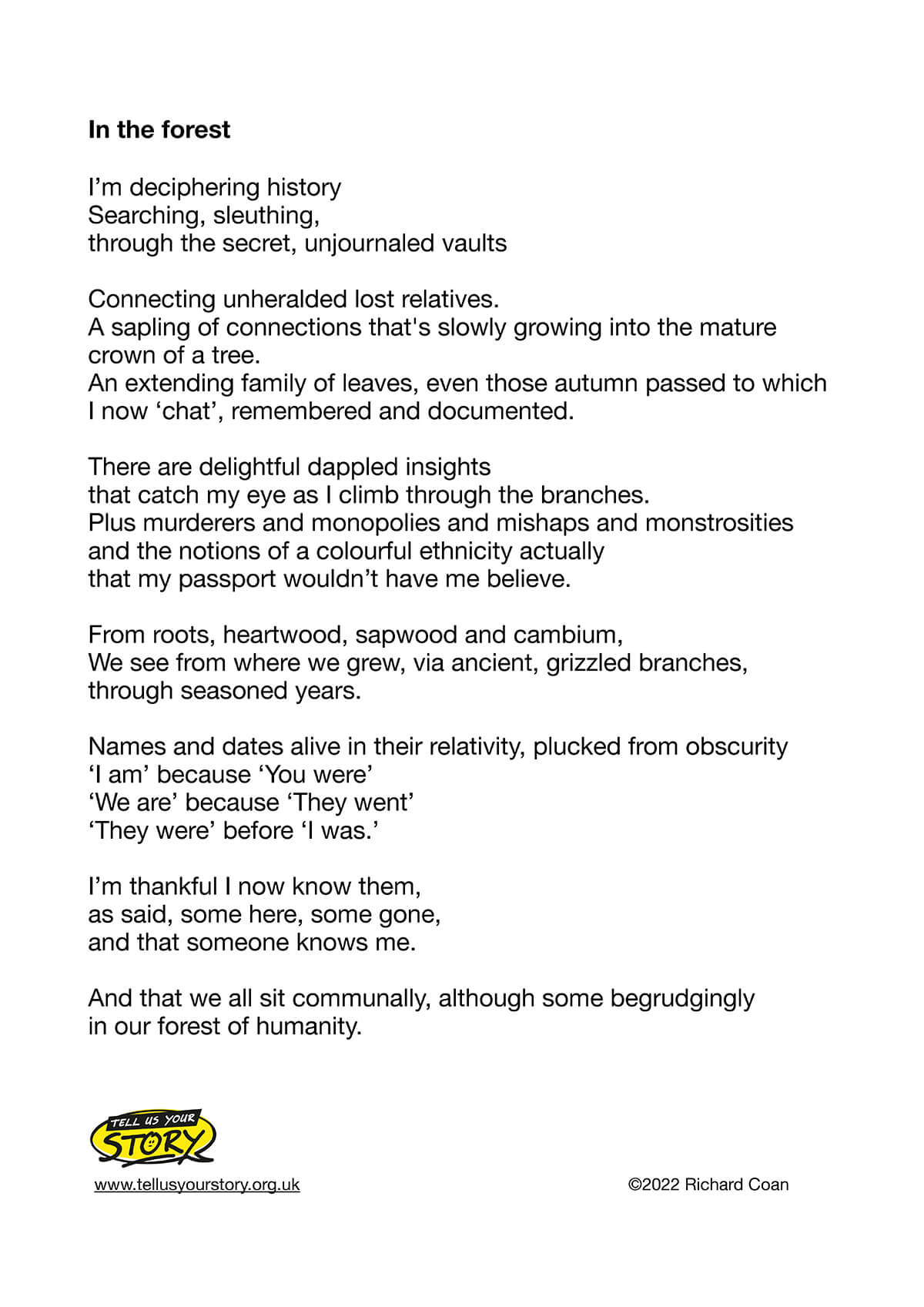
From these conversations, I created a series of artistic responses, allowing different aspects of the stories to find their own form.
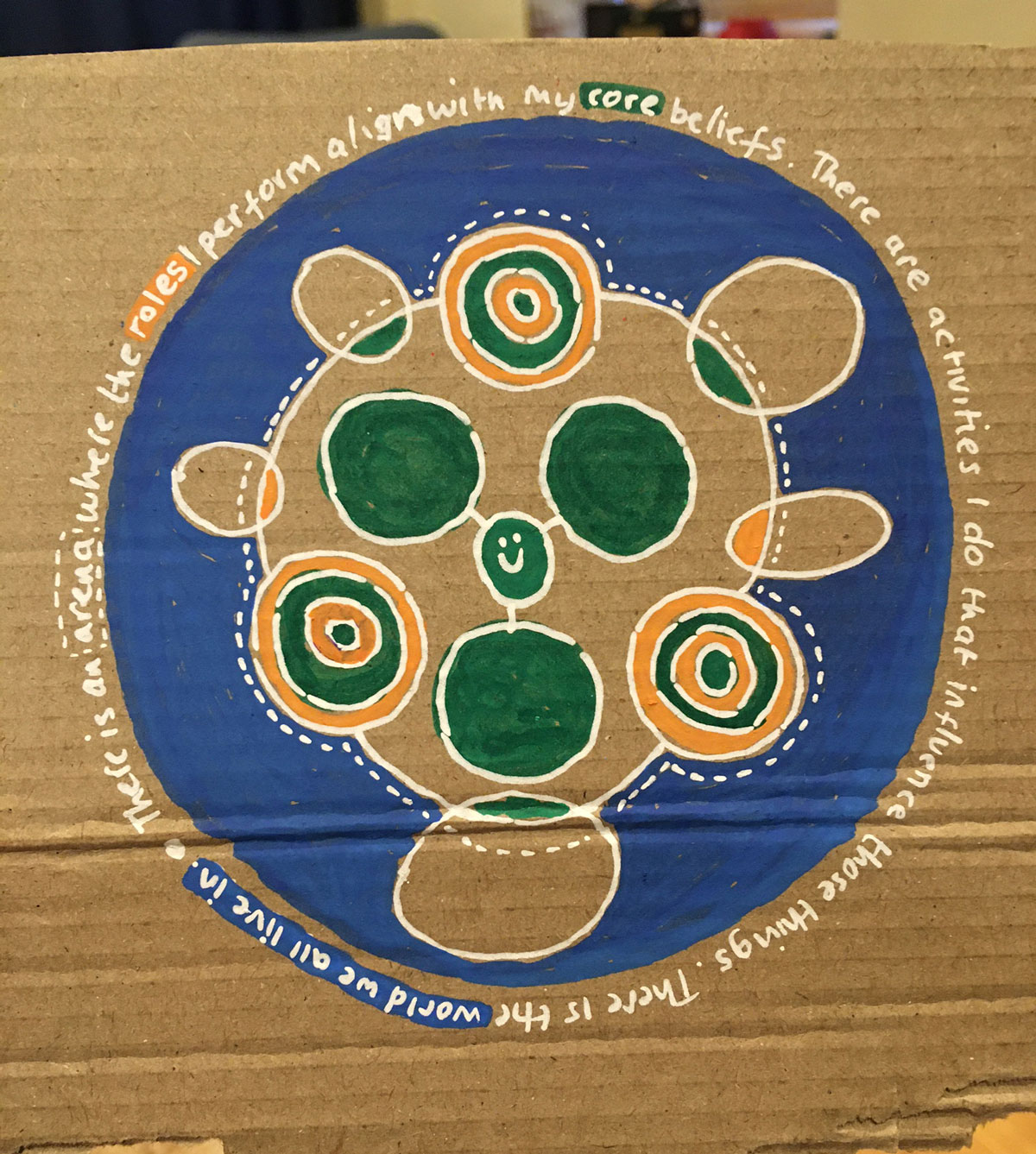
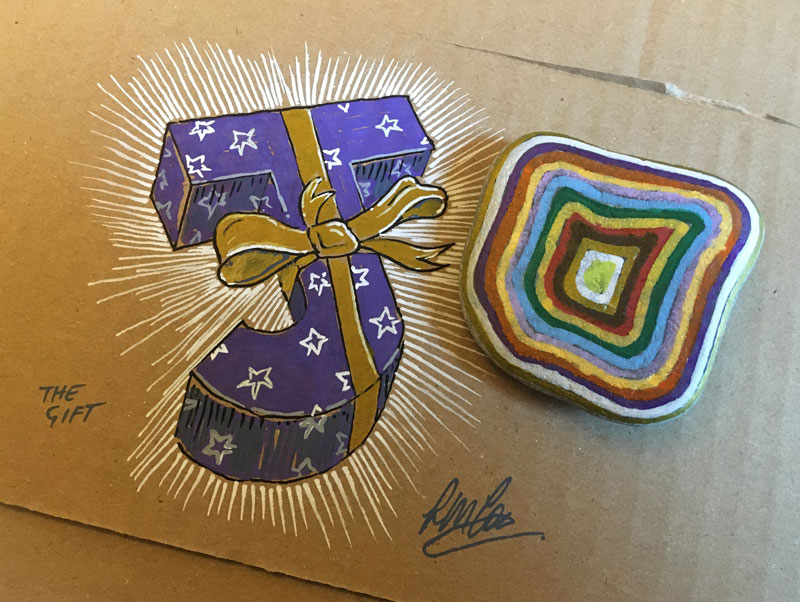
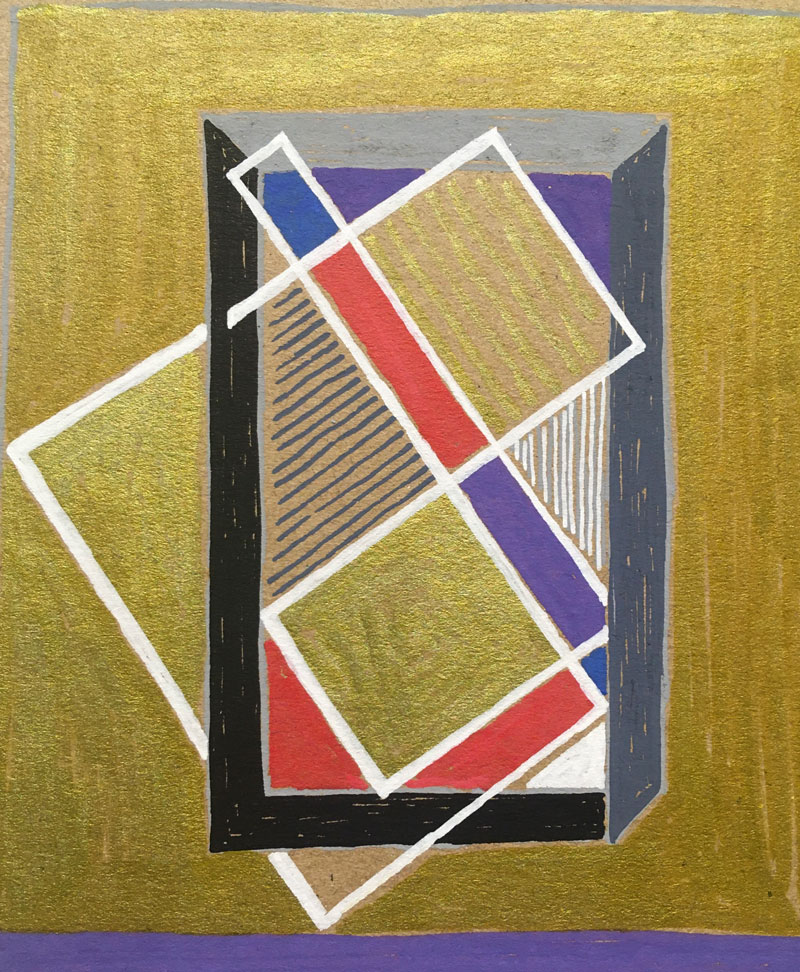
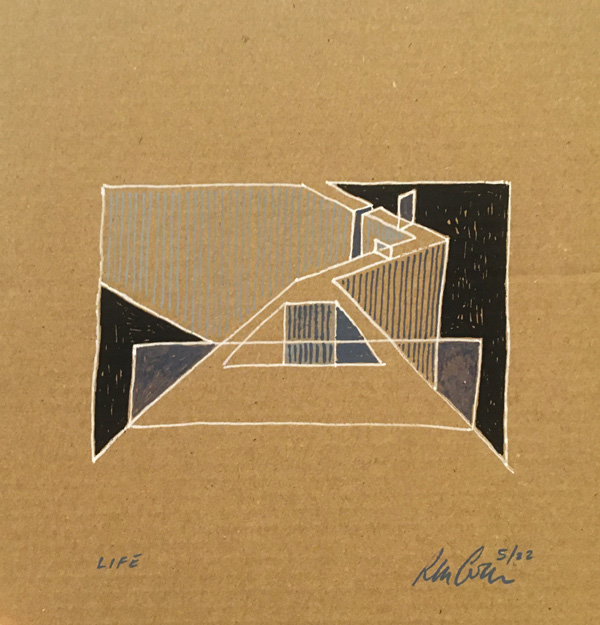
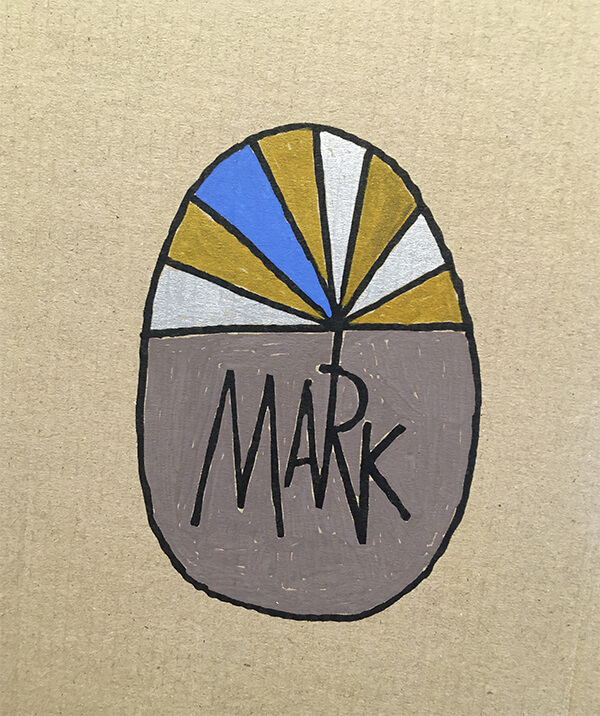
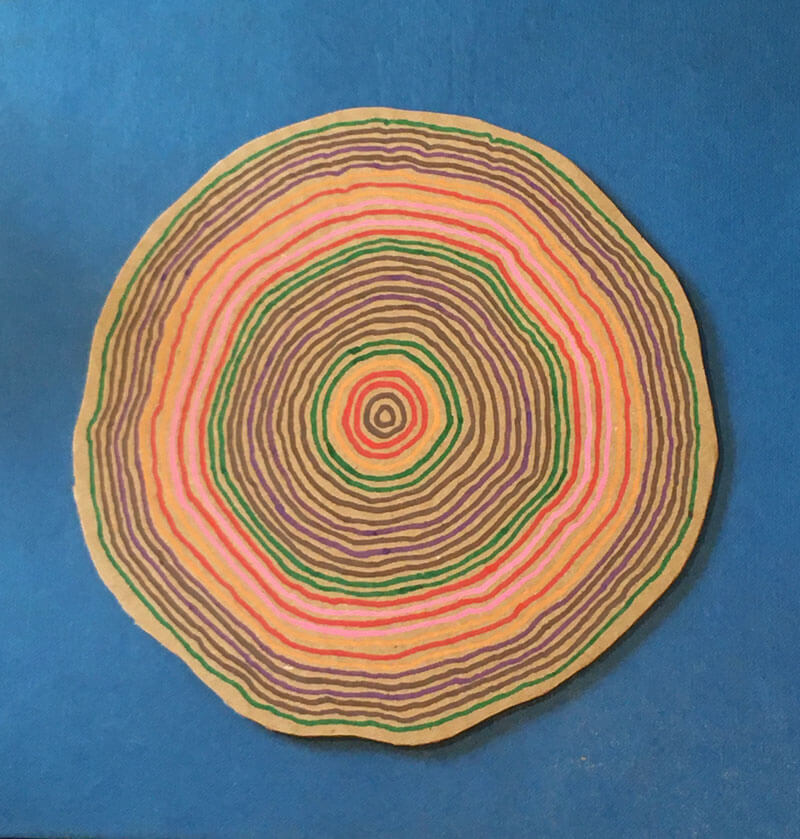
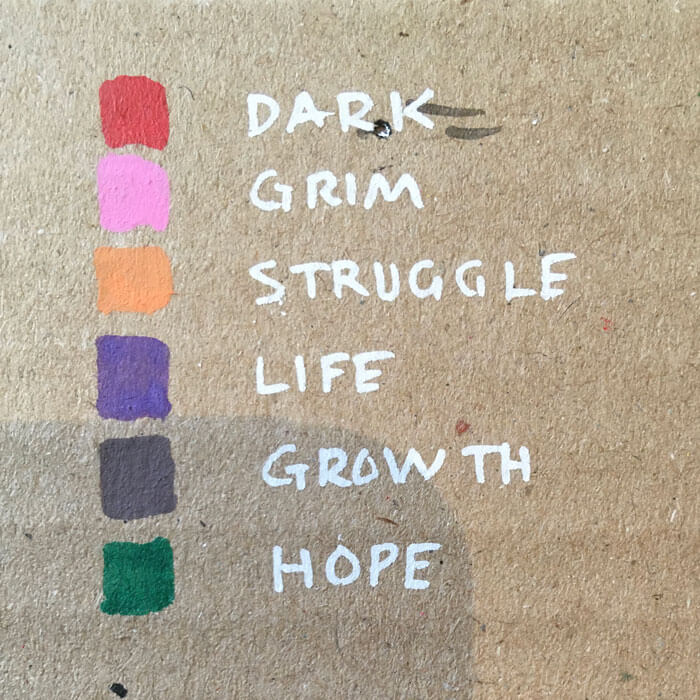
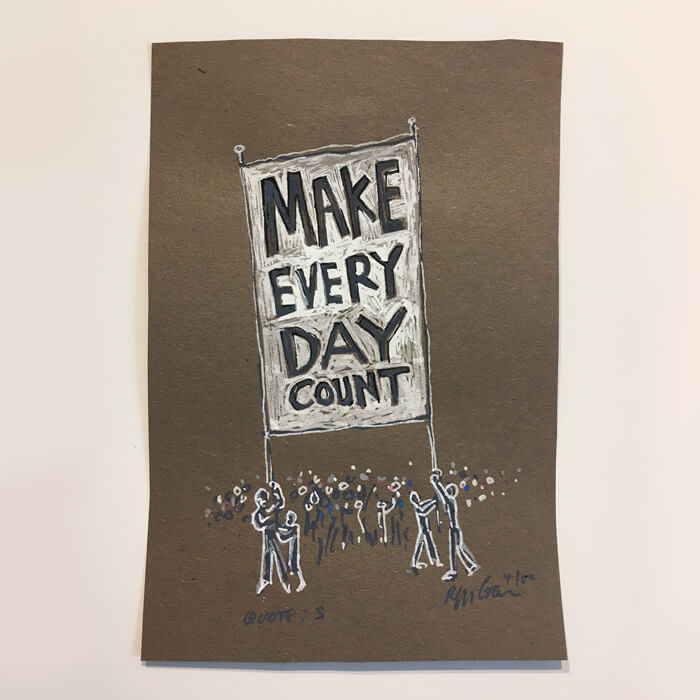
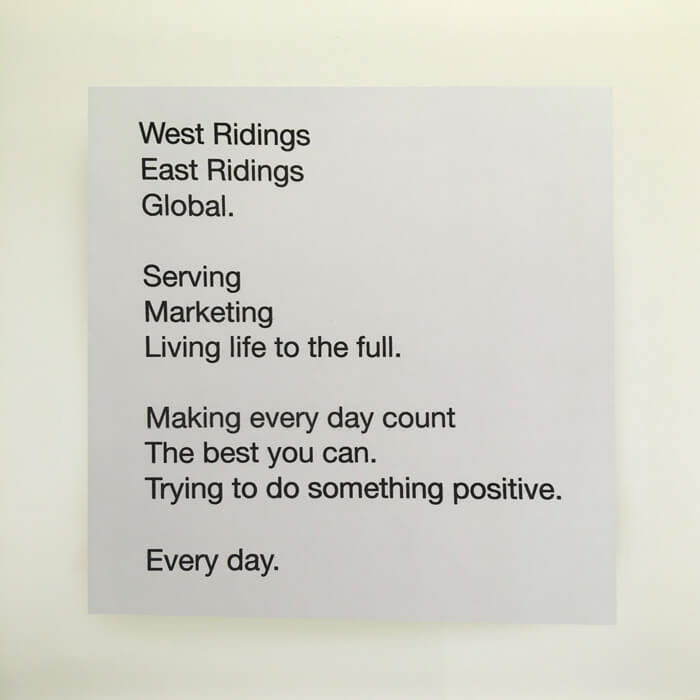
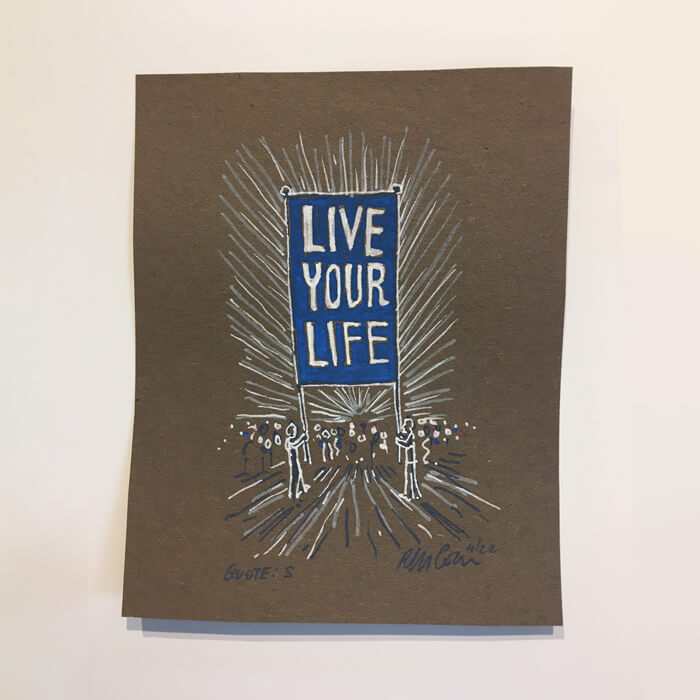
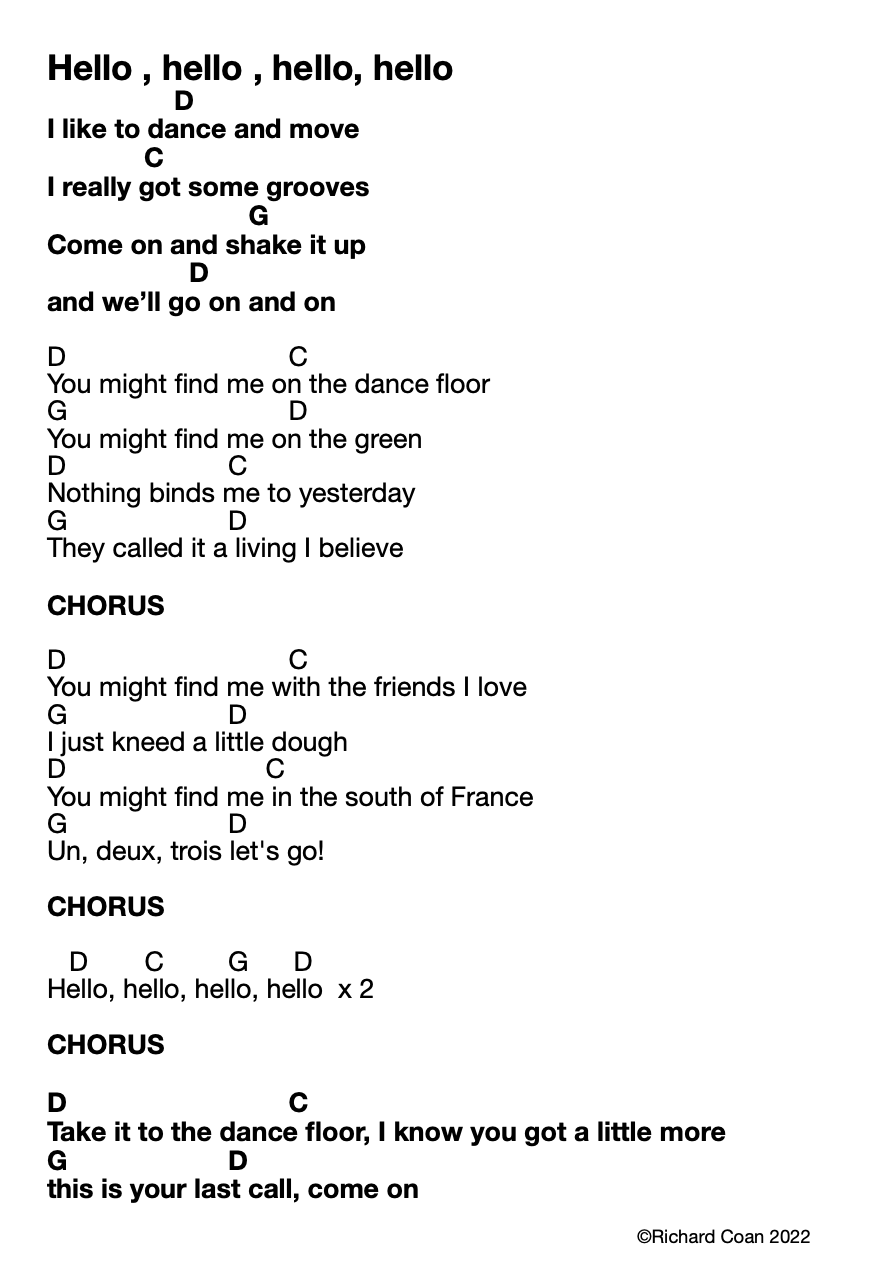
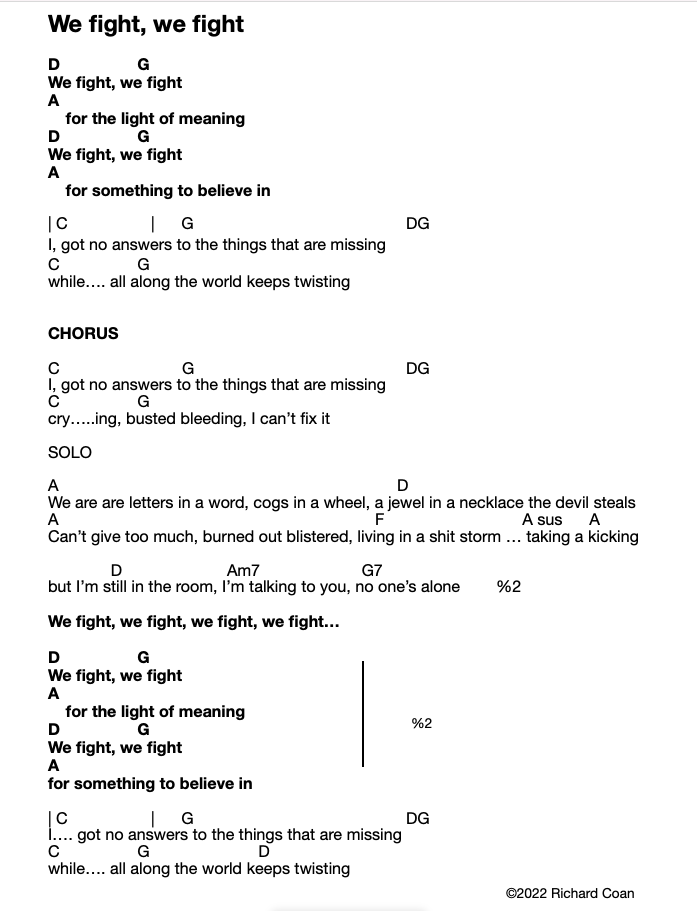
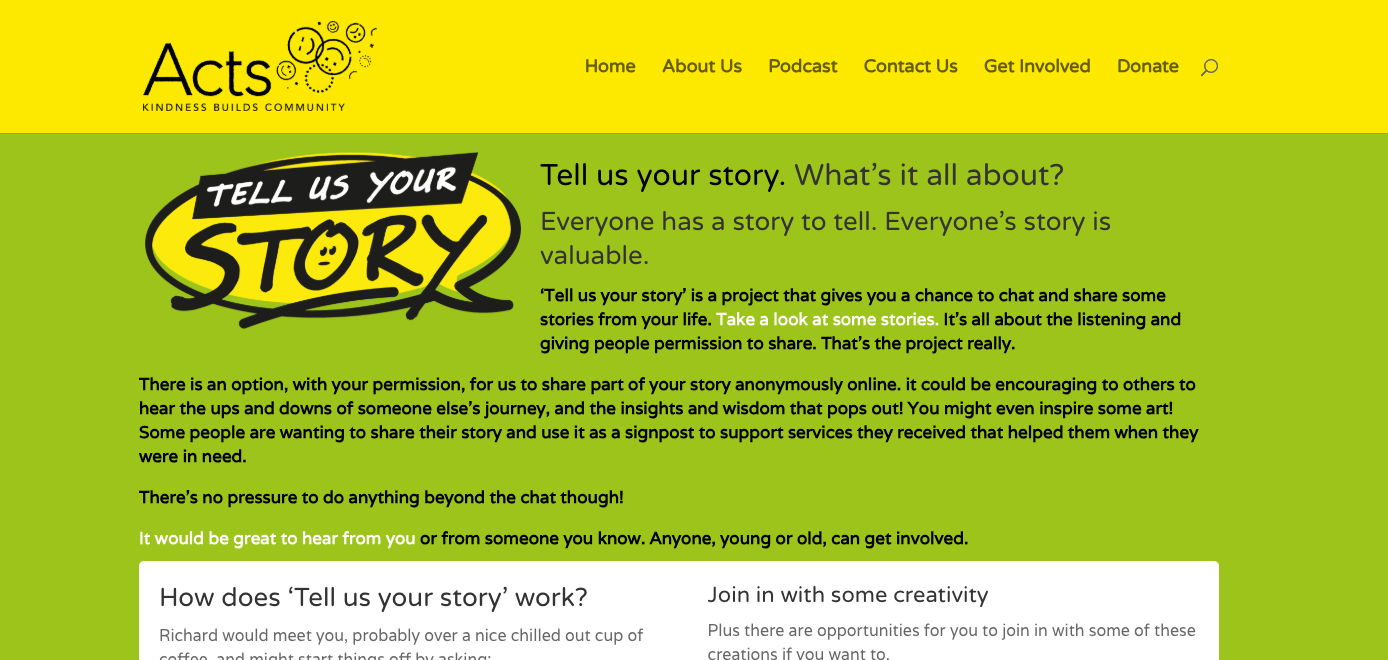
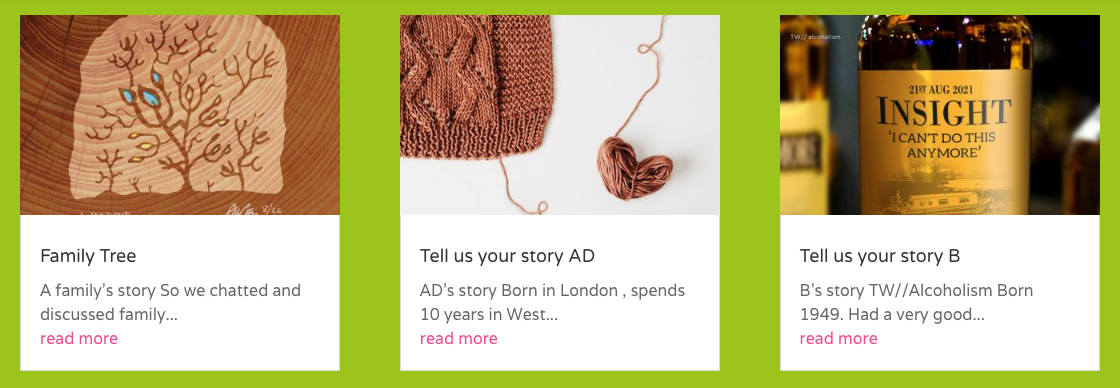
Some became drawings and visual compositions; others found expression through poetry, songwriting, photography, objects and graphic responses.
These weren’t illustrations of people’s experiences, but creative translations in response to the themes, emotions and textures of the stories themselves.
The process was about care and accountability: holding the human reality of the project while also meeting the practical needs of reporting and evaluation.
Moments of Capture
The stories found expression through:
Drawings • Poetry • Songs • Photography • Objects • Visual responses • Story documentation • Participant reflections • Visual identity • Website section





“It felt great to be able to talk about myself with just the aiming of getting to know me better. It refreshes, in my mind and heart, who I am and where I come from.”
Mariana
What I’m Taking from This Place
This project deepened my understanding of listening as a creative practice. Being listened to with care can create space for people to recognise aspects of their own experience that might otherwise remain unnoticed.
It left me with a continuing curiosity about the relationship between attention, story and human connection, and about how creative practice might help us see ourselves and one another differently.
The Conversation Continues
Although the project had a defined timeframe, the questions it raised remain part of my ongoing enquiry.
The stories, conversations and artistic responses continue to inform my understanding of how we relate to ourselves and each other… as individuals, communities and cultures.